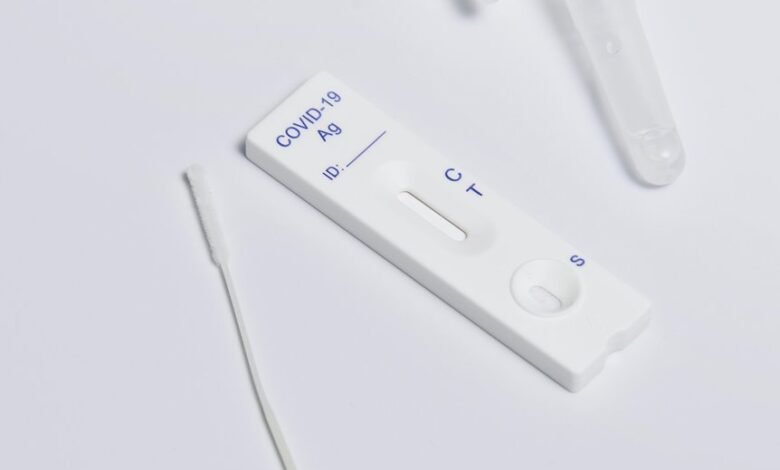
Testing for Homorzopia Disease requires a systematic approach. It begins with recognizing symptoms that may indicate the condition. Following this, an initial consultation with healthcare professionals allows for a thorough discussion of medical history. Subsequently, various diagnostic tests and imaging studies are employed to pinpoint specific markers and assess organ function. Understanding the intricacies of this testing process is crucial, as it lays the foundation for effective management and treatment.
Recognizing the Symptoms of Homorzopia Disease
How can one effectively identify the symptoms of Homorzopia Disease?
A comprehensive symptom overview reveals potential indicators such as chronic fatigue, visual disturbances, and cognitive impairments.
Recognizing these signs is crucial for timely disease management.
Individuals seeking autonomy in their health must remain vigilant, noting any changes in their condition to facilitate appropriate responses and interventions, ultimately enhancing their quality of life.
Initial Consultation With Healthcare Professionals
After recognizing the symptoms of Homorzopia Disease, the next step involves scheduling an initial consultation with healthcare professionals.
This meeting facilitates an initial patient assessment, allowing for effective healthcare provider communication regarding symptoms and medical history.
Clarity in expressing concerns enables healthcare professionals to tailor their approach, ultimately guiding patients towards appropriate management and support for the condition.
Diagnostic Tests and Procedures
Diagnostic tests and procedures play a crucial role in confirming the presence of Homorzopia Disease and ruling out other potential conditions.
Blood tests can identify markers associated with the disease, while imaging studies provide visual insights into organ function and structure.
Together, these methods enhance diagnostic accuracy, ensuring that individuals receive appropriate evaluations and interventions tailored to their specific health needs.
Importance of Follow-Up and Ongoing Care
Although initial diagnostic tests are critical for identifying Homorzopia Disease, the importance of follow-up and ongoing care cannot be overstated.
Ongoing assessments are vital to monitor disease progression and adapt treatment plans effectively. Ensuring treatment adherence enhances patient outcomes and reduces complications.
Regular follow-ups empower individuals to manage their health proactively, fostering a sense of autonomy and encouraging informed decision-making in their care journey.
Conclusion
In conclusion, testing for Homorzopia Disease is a comprehensive process that includes symptom recognition, professional consultations, and various diagnostic tests. Notably, studies indicate that early detection can improve treatment outcomes by up to 30%. This statistic underscores the importance of timely assessments and continuous monitoring, which are essential in managing the disease effectively. By prioritizing these steps, patients can significantly enhance their chances of maintaining health and well-being throughout their treatment journey.