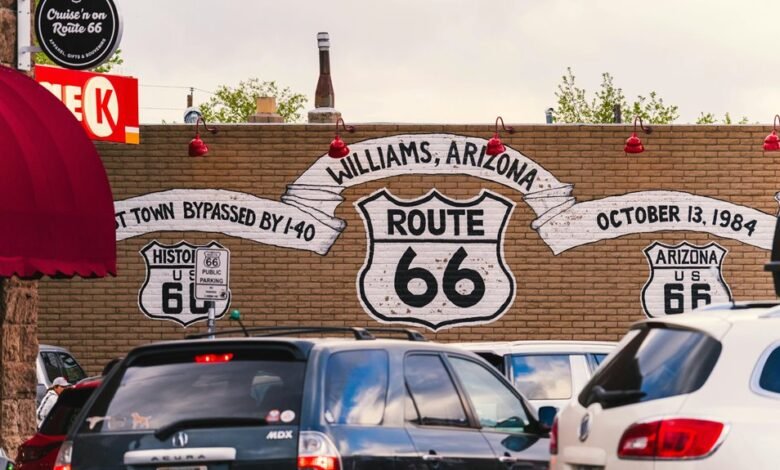
Optimal Route 25285831’s growth dynamics are shaped by strategic planning and thorough traffic flow analysis. Key stakeholders prioritize infrastructure investments to align with user demand, which influences local economic outcomes. Continuous monitoring of traffic patterns is essential for adapting to changes. However, the long-term sustainability of this route depends on collaborative efforts among various community entities. The implications of these dynamics extend beyond mere connectivity, raising critical questions about future urban planning strategies.
Key Factors Influencing Route Growth
As organizations seek to expand their operational reach, several key factors emerge as critical to influencing route growth.
Route efficiency plays a pivotal role, ensuring optimal utilization of resources while meeting user demand.
Understanding the balance between operational capability and customer expectations allows organizations to strategically enhance their networks.
This alignment fosters sustainable growth, enabling businesses to adapt and thrive in an ever-evolving market landscape.
Analyzing Traffic Flow Patterns
Understanding traffic flow patterns is essential for organizations aiming to optimize route growth, particularly as these patterns directly influence operational efficiency and user satisfaction.
Economic Impacts of Optimal Route 25285831
Optimal route strategies, such as Route 25285831, significantly influence economic outcomes for both businesses and communities.
By prioritizing infrastructure investments, these strategies enhance connectivity, reduce transportation costs, and stimulate local economies.
Furthermore, they promote environmental sustainability through efficient resource utilization and reduced emissions.
Ultimately, Route 25285831 exemplifies how strategic planning can yield substantial economic benefits while aligning with broader ecological goals.
Future Considerations for Urban Planning
While the challenges of urbanization continue to evolve, future considerations for urban planning must prioritize adaptability and resilience.
Sustainable development should be at the forefront, ensuring that urban environments meet present needs without compromising future generations.
Additionally, community engagement is essential; involving residents fosters a sense of ownership and aligns planning initiatives with local values, ultimately enhancing the effectiveness of urban strategies.
Conclusion
In conclusion, the growth dynamics of Optimal Route 25285831 hinge on harmonious collaboration, careful consideration of community needs, and constant calibration of traffic flows. Strategic investments in infrastructure will stimulate sustainable success, enhancing economic engagement while preserving the environment. As urban planners peer into future prospects, proactive planning paired with persistent monitoring will be pivotal in promoting progress. Ultimately, by fostering a framework of flexibility and foresight, Optimal Route 25285831 can achieve remarkable resilience and relevance.