When the yard or budget does not allow a full outdoor cabin, three home-heat alternatives cover most of the same ground: a portable infrared sauna blanket or pod ($200 to $600, no installation), a small one-person indoor infrared cabin ($1,200 to $2,800, fits in a 3-by-3-foot footprint), and a steam shower insert ($1,500 to $4,000 installed) for moist heat in an existing bathroom. Each trades some of the full outdoor-sauna experience for lower cost, smaller footprint, or easier installation, and the right pick depends mostly on how much space you actually have to give up.
Sauna blankets: the lowest-cost starting point
A sauna blanket is an insulated, zip-up wrap with infrared heating elements built in; you lie inside it on a couch or bed and it warms the body directly, similar in principle to an infrared cabin but for one person and with no fixed footprint at all. Prices run $200 to $600, they plug into a standard outlet, and they fold flat for storage, which makes them the obvious choice for an apartment or a house with genuinely no spare floor space. The trade-off is real: there is no room to sit up, no shared session with a partner, and the experience is closer to a heated wrap than a sauna room. For someone testing whether they like heat therapy before a bigger purchase, though, it is the cheapest way to find out.
Small indoor infrared cabins
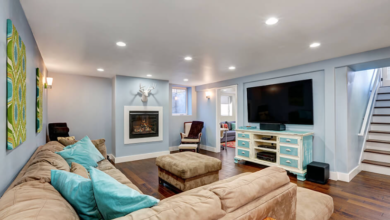
A one-person infrared cabin needs as little as 3 by 3 feet of floor space and 6.5 feet of ceiling height, which fits into a converted closet, a corner of a finished basement, or an underused guest room. These run $1,200 to $2,800 for a one-person unit and typically plug into a standard 120-volt outlet, so most homes need no electrical upgrade at all. Two-person indoor cabins step up to $2,000 to $4,000 and often do need a dedicated circuit. Compared to a blanket, a small cabin gives you a seat, a door, and something closer to an actual sauna room, at roughly four to six times the cost.
Steam showers: moist heat without a new structure
A steam shower insert converts an existing shower stall into an enclosed steam room using a generator unit, typically installed in a nearby closet or under a vanity, plumbed into the shower’s water line. Installed cost runs $1,500 to $4,000 depending on the generator size and how far it sits from the shower. The heat is moist rather than dry, usually 110 to 120 degrees with near-100 percent humidity, which is a genuinely different sensation from a dry sauna and not a substitute for people specifically after that experience. For a household that already has a shower to convert and no interest in a separate structure, it is the option that adds the least new footprint.
What a full outdoor sauna would have cost by comparison
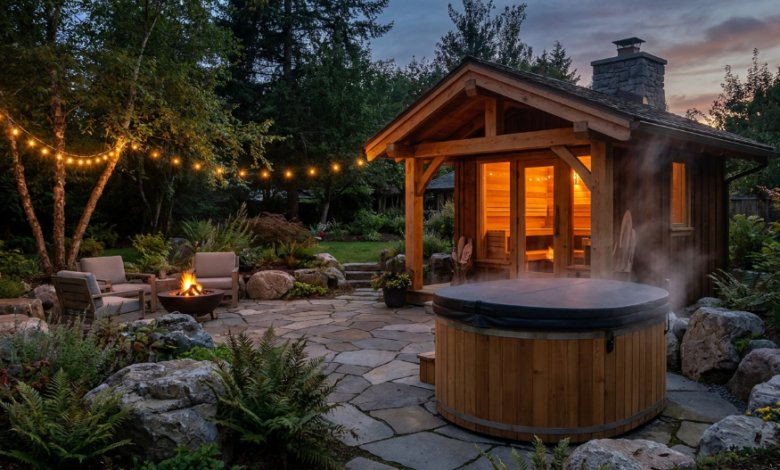
For context, a full-size outdoor barrel or cabin sauna, electric or wood-fired, generally runs $3,500 to $9,000 including a base and, if needed, a dedicated 240-volt circuit. Infrared cabins across SweatDecks’ lineup list for roughly $1,800 to $3,200 before installation, which undercuts a full outdoor barrel setup by a wide margin and is worth comparing against the indoor alternatives above before ruling an outdoor unit out entirely, since the price gap between a small outdoor cabin and a larger indoor one is often smaller than people assume.
Electrical requirements across the options
Sauna blankets and most one-person infrared cabins run on standard 120-volt household outlets, no electrician required. Two-person infrared cabins and any traditional electric heater typically need a dedicated 240-volt circuit, which runs $500 to $1,500 for the electrical work depending on panel distance. Steam generators usually need a dedicated 240-volt line as well, plus a plumbing connection, which is why steam shower installs tend to land at the higher end of their price range once labor is included. Checking voltage requirements before buying anything larger than a blanket avoids an unpleasant surprise at install time.
What the health research says about heat therapy generally
Most of the research on sauna bathing, including a widely cited review in Mayo Clinic Proceedings and an older review in The American Journal of Medicine, studied traditional dry-heat sauna sessions rather than blankets or steam showers specifically, so the associations reported there, better circulation, reported relaxation, favorable cardiovascular markers in regular users, apply most directly to dry heat at sauna-level temperatures. A systematic review of dry sauna bathing reinforces that the frequency and consistency of sessions matters more than any single format. Smaller-footprint alternatives can still deliver real heat exposure and a genuine wind-down ritual, but people choosing between formats specifically for health reasons should know the strongest evidence base is for traditional dry sauna use, not for blankets or steam.
Deciding which format fits your space
Start with the honest constraint, no yard space, no budget for a full structure, or renting rather than owning, and match the format to it rather than the other way around. A blanket answers “do I even like this” for under $600. A small indoor cabin answers “can I make this a real habit” for a few thousand dollars and a closet. A steam shower answers “can I get heat therapy without adding any new structure at all.” None of them require giving up on heat therapy just because a full outdoor sauna does not fit the property.
Frequently Asked Questions
What is the cheapest way to get sauna heat at home?
A portable infrared sauna blanket or pod, usually $200 to $600, is the lowest-cost entry point and needs no installation, though it seats one person and does not replicate a full-room sauna experience.
Can a small indoor infrared cabin fit in a bathroom or closet?
A one-person infrared cabin can fit in a footprint as small as 3 by 3 feet, which works in a converted closet or a corner of a finished basement, provided there is standard outlet access.
Do steam showers count as a sauna alternative?
Steam showers use moist heat around 110 to 120 degrees rather than the dry heat of a sauna, which is a different experience, but they can be added to an existing shower stall and are a reasonable option where floor space for a separate cabin does not exist.
How much electrical work does a small home sauna unit need?
One-person infrared cabins and sauna blankets typically run on a standard 120-volt outlet with no rewiring. Anything larger, or a traditional electric heater, usually needs a dedicated 240-volt circuit installed by an electrician.
References
- Benefits and risks of sauna bathing, The American Journal of Medicine, 2001
- Cardiovascular and Other Health Benefits of Sauna Bathing: A Review of the Evidence, Mayo Clinic Proceedings, 2018
- Clinical Effects of Regular Dry Sauna Bathing: A Systematic Review, Evidence-Based Complementary and Alternative Medicine, 2018
- UL safety standards and certification, Underwriters Laboratories